Introduction
When we stroll by a fantastically embellished homestead, our eyes incessantly fall upon the carpeting that serves as equally a basis and a remark piece. Carpets can carry areas, imparting warmth, relief, and an aesthetic enchantment. But have you ever puzzled how carpet styles evolved through the years? From high priced Persian rugs to modern minimalist designs, the adventure of carpeting kinds displays societal ameliorations, technological improvements, and evolving tastes.
In this newsletter, we’ll discover The Evolution of Carpeting Styles Over the Years in element. We'll delve into old context, resources used, design traits, and contemporary thoughts in the carpet business. Whether you are in the hunt for carpets Buffalo NY, Hardwood Flooring Buffalo NY, or absolutely exploring strategies at your nearby Buffalo Carpet Store, this article will furnish insights into how carpets have transformed over the years.
The Evolution of Carpeting Styles Over the Years
A Brief History of Carpeting
Carpeting has a prosperous historical past courting to come back 1000's of years. Initially created for sensible applications, carpets advanced into decorative artwork forms that mirrored cultural values and innovations.
Early Beginnings: The Origin of Rugs
- Persian Influence: Persian rugs are some of the oldest regularly occurring carpets, relationship back to round 500 BC. Their tricky designs probably function floral motifs and geometric patterns. Navajo Weaving: In North America, Native American tribes like the Navajo began weaving their very own wonderful rugs as early as the seventeenth century.
These early carpets were no longer in simple terms useful however also served as standing symbols inside their respective cultures.
The Middle Ages: A Shift in Functionality
As societies advanced right through the Middle Ages, carpets transitioned from being in simple terms utilitarian to serving as decorative supplies in castles and church buildings across Europe. The use of wealthy colorings https://ameblo.jp/jaredvupf662/entry-12882031894.html and complex designs become prominent.
Renaissance to Industrial Revolution: The Rise of Luxury Carpets
Renaissance Flourishes
During the Renaissance interval (14th to seventeenth centuries), European royalty commissioned exquisite tapestries and carpets for his or her buildings. These textiles featured shiny colorations and depicted scenes from mythology or nature.
Industrial Innovations
The Industrial Revolution in the 18th century marked a tremendous turning level for carpeting patterns:
- Mass Production: With developments in equipment, carpets is likely to be produced on a bigger scale. Synthetic Fibers: The advent of synthetic fibers sold sturdiness at cut back quotes.
twentieth Century: Diverse Styles Emerge
As we entered the twentieth century, carpeting started to diversify extra:
Mid-Century Modern Designs
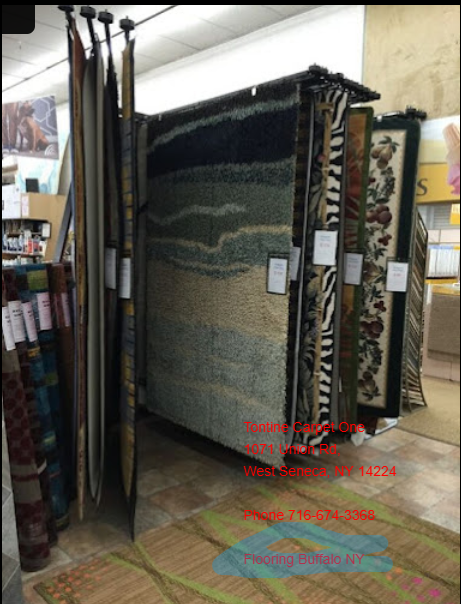
The mid-century innovative stream emphasized simplicity and function. Carpets together with shag rugs turned into generic as a result of their textural qualities.

Post-War Era Trends
After World War II, there has been a surge in suburban dwelling which inspired carpet layout:
- Wall-to-wall carpeting become a staple in lots of buildings. Bright colors like avocado green and mustard yellow mirrored commonly used tradition right through this period.
Contemporary Trends: Sustainable Practices and Technology
Today’s carpets reflect cutting-edge life-style decisions with an emphasis on sustainability and technologies:
Eco-Friendly Materials
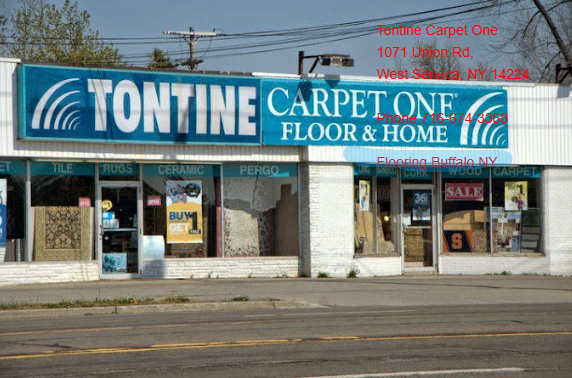
Many valued clientele are actually seeking sustainable strategies fabricated from recycled supplies or organic fibers. This shift is evident at neighborhood flooring outlets like Tontine Carpet One Buffalo NY.
Technological Advancements
Innovations which includes stain-resistant remedies and stepped forward setting up tricks have made affirming carpets simpler than ever earlier.
Materials Used in Carpet Making Through Time
Natural vs Synthetic Fibers: A Comparative Analysis
When discussing carpet resources through the years, it’s imperative to ponder the two natural and manufactured fibers:
| Material Type | Characteristics | Advantages | Disadvantages | |-------------------|-----------------------------------------------------|-----------------------------------------|-------------------------------------| | Natural Fibers | Wool, cotton, jute | Eco-friendly; sumptuous suppose | Can be luxurious | | Synthetic Fibers | Nylon, polyester | Durable; stain-resistant | Less breathable |
Wool: The Classic Choice
Wool has been respected for its sturdiness and highly-priced texture during history. It keeps heat well and is naturally immune to airborne dirt and dust.
Nylon: A Modern Marvel
Introduced inside the mid-20th century, nylon simply grew to become normal caused by its resilience against put on and tear—greatest for high-traffic regions like hallways or living rooms.
Design Trends Across Different Eras
Victorian Patterns: Opulence Redefined
In Victorian occasions (nineteenth century), ornate patterns dominated carpet designs with floral motifs reflecting wealth.
Art Deco Inspirations
Art Deco (Twenties) brought geometric shapes into center of attention—supplying ambitious contrasts that also resonate this day.
Influence of Culture on Carpet Design
Cultural Significance
Every subculture has its distinctive contribution to carpet making—from Persian motifs celebrating nature to Navajo patterns reflecting storytelling.
Regional Styles
Each place showcases different characteristics headquartered on conceivable supplies or common options—imagine Turkish kilims versus Indian dhurries!
FAQs
1. What are some standard different types of carpeting?
There are lots of forms together with loop pile, lower pile (like plush), frieze (twisted), Berber (looped & textured). Each provides totally different aesthetics & alleviation tiers!
2. How do I desire a carpet situated on tradition?
Consider motives which include foot traffic stages! For busy families with pets/children opt for sturdy choices like nylon or Berber kinds that withstand stains!
three. Are eco-friendly carpets really worth it?
Absolutely! They not only contribute closer to sustainability however can also supply better air first-rate benefits! Many green manufacturers now have dependent services too!
four. How repeatedly needs to I change my carpet?
Typically each and every five-10 years relying on utilization & protection! Regular cleaning can delay its existence noticeably!
five. What’s trending good now in carpeting styles?
Current trends emphasize textures—imagine shaggy seems to be paired with neutral shades! Also multi-purposeful domain rugs are extremely well known!
6. Can I deploy carpet myself?
While DIY installation is conceivable specially with modular tiles; legitimate install guarantees ideal consequences enormously for wall-to-wall fittings!
Conclusion
As we mirror on The Evolution of Carpeting Styles Over the Years, that's transparent that those humble textiles tell testimonies far past aesthetics—they encapsulate cultural identities whilst adapting with time's currents! Whether you’re visiting your native Buffalo Carpet Store or deciding between alternatives at Tontine Carpet One Buffalo NY; realizing this evolution complements appreciation on your decisions at this time!
From common fibers steeped in subculture to ultra-modern man made inventions; our connection with floor continues to be profound! So subsequent time you stroll throughout your plush dwelling room carpet keep in mind that—it’s extra than just fabric underfoot—it’s background woven into each thread!